
The unsecured nature of personal loans makes it a viable option for an applicant who is unable to provide collateral. The demand for personal loans has grown significantly over the past few years. Many new lending institutions have entered this space to offer customized loan products to a diverse range of customers. All loans have an underlying repayment obligation. However, many a time, it can be challenging for people to make their repayments. During this situation, they often default on their EMIs, which is detrimental to their credit score. A personal loan balance transfer can help manage these situations.
What Is A Personal Loan Balance Transfer?
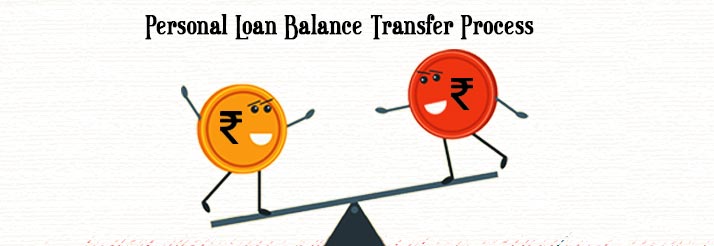
A personal loan balance transfer is a process of transferring the outstanding balance from an existing loan account to a new one. It is very similar to home loan refinancing. However, here there’s no house involved. People opt for a personal loan transfer when they get favourable terms from the new lender— for example, a lower interest rate on personal loans. During a personal loan balance transfer, the outstanding loan amount is repaid by the lender in full, and a new loan account is opened for the borrower.
The borrower has to meet the new terms and conditions associated with the loan. A personal loan balance transfer has several benefits, for example, a lower interest rate, extended loan tenure, and a top-up loan facility. These benefits can help borrowers reduce their EMI obligations and total outstanding balance. It’s a great way to reduce borrowing costs. Finding the lowest personal loan interest rate in India is highly recommended for a balance transfer.
Additional Read: 6 Life Situations Where Instant Personal Loan is Necessary





 Finance News