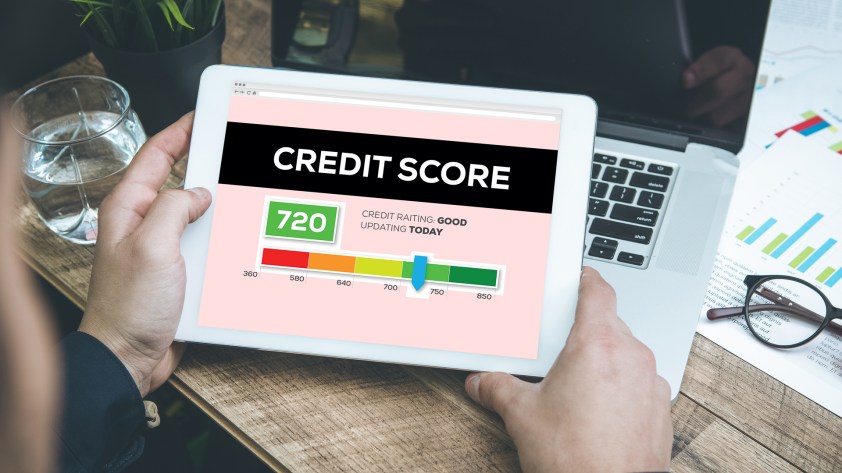
When it comes to securing a personal loan, one of the crucial factors that lenders consider is your credit score. A credit score serves as a measure of your creditworthiness and reflects your financial responsibility. In this article, we will delve into the significance of credit scores in the personal loan application process and explore the ideal credit score needed to increase your chances of approval.
Understanding Credit Scores:
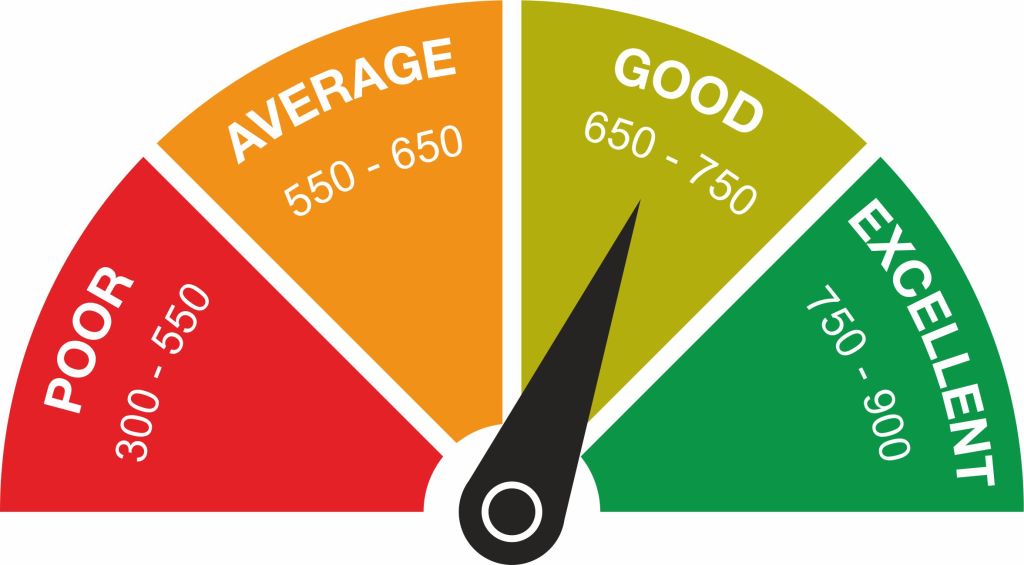
Before we delve into the specifics of personal loans, it’s essential to understand credit scores. A credit score is a numerical representation of your creditworthiness, ranging from 300 to 850, with a higher score indicating better credit. Lenders assess your credit score to evaluate the risk associated with lending you money.
Importance of Credit Scores for Personal Loans:
1. Loan Eligibility: Lenders use credit scores to determine whether you meet the minimum eligibility criteria for a personal loan. Typically, a higher credit score enhances your chances of loan approval. A good credit score demonstrates your ability to manage debt responsibly, making you a more reliable borrower.
2. Interest Rates: Credit scores significantly impact the interest rates offered by lenders. A higher credit score often translates to lower interest rates, as it indicates lower risk. With a good credit score, you can secure a personal loan with more favorable terms, saving you money in the long run.
3. Loan Amount: Credit scores also influence the maximum loan amount you can obtain. Lenders may be more willing to lend larger sums to individuals with excellent credit scores, as they are perceived as less likely to default on payments.
Ideal Credit Score for Personal Loans:
While credit score requirements may vary among lenders, a credit score of 650 or higher is generally considered good. However, some lenders may have more stringent requirements, especially for larger loan amounts. It’s crucial to check with potential lenders or research their credit score requirements to align your expectations.
Improving Your Credit Score for Personal Loans:
If your credit score is not currently in the optimal range, there are steps you can take to improve it:
1. Pay Bills on Time: Ensure that you make all your bill payments, including credit card bills, loan installments, and utility bills, on time. Late payments can negatively impact your credit score.
2. Reduce Debt: Work on reducing your overall debt, particularly credit card balances. High credit utilization ratios can lower your credit score. Aim to keep your credit utilization below 30% of your available credit limit.
3. Monitor Your Credit Report: Regularly review your credit report for any errors or inaccuracies. Dispute any incorrect information and ensure it gets corrected promptly.
Conclusion:
Your credit score plays a significant role in securing a personal loan. A good credit score increases your chances of loan approval, helps you secure better interest rates, and allows you to borrow larger amounts. By understanding the importance of credit scores and taking steps to improve them, you can position yourself as a more attractive borrower to lenders.
Remember, building and maintaining a good credit score is a long-term process that requires financial discipline and responsible credit management. By prioritizing good credit habits, you can pave the way for a healthier financial future and increase your chances of obtaining the personal loan you need.



 Finance News