Author: SMFG India Credit

Apply for an Instant Personal Loan from NBFC

A personal loan is an instant loan that can be used for a variety of purposes, including medical treatment, home renovation, travel, marriage, and any other immediate financial need. With Personal Loan, you can borrow up to Rs 25 lakhs and get instant approval on it with minimum documents.
Just complete our easy-to-qualify application and original documentation process to receive the funding you need within a single day of approval. With our flexible tenure of up to 60 months, repay your loan at your convenience. Plus, you can reduce your EMI by up to 45% with our Flexi Personal Loan.
Our Instant Personal Loan is available to professionals in India at attractive interest rates and has no hidden fees. You can also take advantage of a pre-approved offer from NBFC for yourself and get instant access to funds. Have a glimpse at some of the features and benefits of Personal Loan.
- Fast disbursal
Get your loan amount in your bank within 24 hours as soon as your loan is approved.
- Flexible tenure
Repay your loan with complete ease with our flexible tenure, which ranges from one year to 5 years.
- Minimal documentation
All you need is to have a credit report, personal documents, PAN card and residential proof for availing a personal loan.
- Pre-approved loan
Borrowers with good CIBIL score are also eligible for a pre-approved personal loan. You can check your credit score with ourpersonal loan eligibility calculator.
- Apply online
You can apply for a personal loan online or with the application in just a few clicks.
What are the Primary Criteria Used By NBFCs to Approve Business Loans?

Financial backing is the backbone for any startup or for a business owner who is trying to scale. The financial institutions have made the lending process reasonably flexible so that new business owners find it easier to avail loans. However, there is a structured way for the firms to apply for such business loans to ensure no delay in processing or even no rejection of applications. Hence it is imperative to understand the significant criteria that lenders use for a hassle-free process.
As mentioned before, lenders have set out a process to qualify the borrowers who apply for business loans. Likewise, as a borrower, you can also use a business loan EMI calculator to decide on the best lender for your loan requirements. Few of the ways by which a lender would qualify you as a successful candidate for the loans are below:
Creditworthiness
NBFCs would use the credit score to determine the repayment abilities of the borrower. If your score is more than 700, you stand a high chance of loan approval.
Supporting collaterals
Sometimes, the lenders would ask for collateral to approve the loan faster if they sense a risk with your loan application.
Financial capacity
The financial institutions would also gauge the capacity of the business through their balance sheets and other statements.
Conclusion
Apart from the above factors, the lenders would assess the documentation provided by the lending institution to qualify them for the loan.
Must Read: How to Apply Online for a Business Loan and Get it Approved?
Get a Personal Loan With Low Credit Score in India

While assessing your personal loan application, the lending institutions consider multiple factors before approving your loan. A credit score is one such important parameter that can either make or break your chances of availing a personal loan.
According to experts, a credit score of more than 750 is considered optimal to secure a low-interest loan. However, sometimes our score falls due to non-timely payments. Various lenders refuse to give personal loans with such low ratings, and even if they do, high interest is charged.
But, the good news is that some non-banking financial institutions approve loans of people with a credit score of 600-700.
Many NBFC offers various types of loans according to the needs of the customers, such as two-wheeler loans, home loans, working capital loans, personal loans, etc. Personal loans are granted to both salaried and self-employed professionals for up to Rs.20,00,000 and Rs.30,00,000, respectively. Further, the interest rates start at 17% per annum.
Must Read: 5 Smart Tips to Increase your Personal Loan Eligibility
Top 3 Myths Related To CIBIL Score
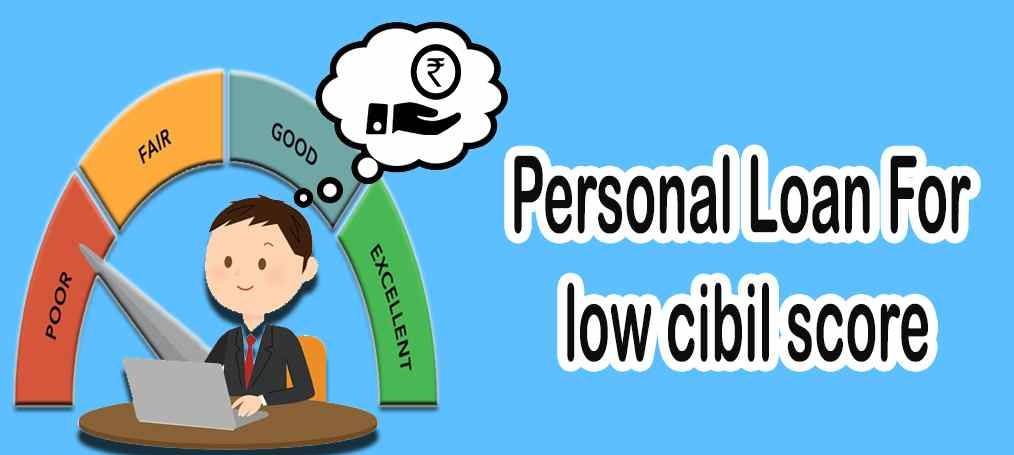
In the current digital era, it is quite easy to spread misinformation about anything, and the CIBIL score is no exception. Let’s look at some of the widely believed myths related to CIBIL score.
Myths Associated with CIBIL Score
Everybody knows the fact that a good CIBIL score is significant to avail a personal loan. It reflects the past borrowing record of the borrower and ensures timely repayment. However, there are some myths related to the CIBIL score. Here, in this article, we’ve busted the top two myths that you should know about before applying for a personal loan.
Low Credit Score Means No Loan
It is widely believed that your loan application will not be approved if you have a low CIBIL score. But, the same is not the case as you can still avail of a loan even if you have a relatively low credit score. Several NBFCs provide a personal loan for low CIBIL score. Therefore, during an emergency, you can choose such an NBFC and get the funding you require.
Zero Credit is Beneficial
Most borrowers make the mistake of assuming that zero credit history is beneficial for them for getting a loan. However, the truth is that lenders look for someone who has a reasonably responsible credit behavior. Even if you have not taken a loan, it is advisable to buy some products through EMI to maintain a decent CIBIL score.
Wrapping it up
Keep in mind that the CIBIL score is not the sole factor a lender considers to sanction a loan. In addition to the CIBIL score, you also need to present proper documents and meet the eligibility criteria to get a loan.
Must Read: How to Avail of a Personal Loan with Low CIBIL Score?
Debt Financing Vs Equity Financing – Which Works Well For Business Owners?

Running or starting a business is never a child’s play for obvious reasons. Apart from the hard work and strategies that go into commencing the company, having necessary funds is important as well. As a small business owner, you have a few options to choose from when it comes to finances. Out of the possibilities, business loans, debt financing and equity financing work best for small business owners. Let’s find out which is the most suitable for you in the below section.
Debt Financing vs. Equity financing – which works well for business owners?
| Criteria | Debt financing | Equity financing |
| Definition | Debt financing is the type of funding where you avail loans from the lender with an agreement to pay back in equal installments. | Equity financing means selling the shares of the company to investors who will take part in profits once the business turns successful. |
| Risk | The risk factor is high as the collateral is with the lender, and missing out on repayments can result in the taking over of assets by the lending institution. | Equity financing is practically risk-free for business owners as the investors take the risk here. |
| Control | As a business owner, you have full control of your business since there is no control from the lender’s end once the loan is paid | You have lesser control and need to discuss with your investors on significant decisions |
| Difficulty level | Since most lenders provide business loans, getting loans might not be too difficult | Getting an investor can be tedious |
Conclusion
Based on the above criteria, a business owner can decide on choosing the best option and apply for a loan with the appropriate business loan documents.
Must Read: Short-Term and Long-Term Business Loan- Which One Is Best For You?
Reasons Behind Rejection Of Loan Against Property Application

Applying for a loan against property is the easiest way to get funds during financial emergencies. It is easy to meet the eligibility criteria with a little preparation. But it entirely depends on the lender to approve or reject your application.
But sometimes it happens that a mistake cause rejection of your loan against property application. Here’s a list of 5 reasons that might lead to rejection of your loan against property application-
- Age Of The Property
It is one of the essential factors for the approval of your loan. The current condition of the property determines the loan tenure. If your property is new, then the loan tenure will be longer. The property’s value also determines eligibility. You can quickly check the eligibility using a loan against property calculator.
- Approval By Government
It is necessary to have all the documents and the government’s approval on the property. If you have lost some approval documents, then you can apply for them again.
- Deviations From The Approved Property
There should not be any discrepancies or violations from the approved property. The lender might reject your application if there is even the slightest deviation.
- Disputes On The Property
If there are any co-owners of the property, then the application form must be signed by them all. There should not be any dispute regarding the property.
- Income Tax Returns
It is necessary to have filed the income tax returns for three years if you are self-employed.
Conclusion:
Make sure to meet the minimum credit score and have all the documents in-hand before applying for a loan against property. With some research and planning, you can quickly get your loan approved.
Additional Read: Factors That Affect Tenure of Loan Against Property
Quick Guide for Loan Against Property

Having an asset or property can be advantageous in many ways. In an economic context, if you own a property, you can leverage the same to apply for a loan against property. The good news is that you will still be an owner of your property while availing the loan. Hence the loan against property is considered one of the most popular secured loan types in the market.
Benefits of Loan Against Property:
- LAPs have lower interest rates than unsecured loans like personal loans.
- The loan tenure can go upto 15 years in comparison with the limited tenure of personal loans.
- Since the loan type is secured, the lenders have made the documentation process relatively flexible and simple for your benefit
Loan Against Property Eligibility:
As a borrower, you can leverage the loan against property EMI calculator to know the details of the loan. However, a lending institution would assess the following factors to qualify you for a LAP:
- Must be of 21 years of age with the age limit upto 60 years for the salaried and 70 years for the self-employed
- The value of the property
- The credit score of the borrower
- The income capabilities of the borrower. The lenders do expect minimum income sources to qualify for LAP
Conclusion:
You can check with your lender on the documents that need to be submitted to avail LAP which would be typically KYC, property, income proof documents. One needs to check with multiple lenders and decide on the best financial partner who can provide better benefits.
Additional Read: How to calculate your Eligibility for a Loan Against Property?
Handbook on Loan Against Property
Loan against property is a credit tool that helps you leverage your property for funds. By collaborating with a reliable lender, applicants are assured of a high loan to value on loan against property.
Let’s delve into this further.
A loan against property can address your fund requirements from funding your child’s education to taking that dream business onboard. Although personal loans are a prominent option, here is a reason why you should choose a loan against property.
- Affordable interest rates
- No prepayment charges
- Easily accessible
- Flexible repayment tenure
- Affordable EMIs
- Minimal documentation
Lenders like Fullerton India offer its customers flexible repayment processes with affordable interest rates. Besides providing a high LTV, the overall process involves minimal documentation and hence is hassle-free. Using a loan against property calculator, applicants can decide a repayment scheme that best suits their repayment capability and financial capacity.
Hence the question arises: Which property qualifies as collateral for a loan against property?
You can use the following as collateral:
- A self-occupied house
- A land that you own
The property should be free from any legal complications, and there should be clarity on the title deed. Lenders sanction the loan amount after considering the market value, locality and several other factors.
Final thoughts
Loan against property is amongst the most accessible loans that one can avail. With the right lender, applicants can receive a high loan to value on the collateral pledged at affordable interest rates.
Must Read: 7 Factors That Affect Loan Against Property Eligibility Criteria
Why Should You Opt For Loan Against Property?

Most financial experts suggest loan against property as a better alternative to a personal loan. Let’s have a look at some of the reasons why you should consider this financial tool when you require funds.
Why should you opt for Loan Against Property?
As the name suggests, loan against property (LAP) is a secured loan wherein the financial institute or lender lends capital to the applicant and keeps their property as collateral till the repayment of the loan. After the applicant repays the loan, the property documents are returned to them. There are some significant LAP types – loan against industrial property, loan against commercial property and loan against residential property.
What are the benefits of a Loan Against Property?
- More loan amount:
In the case of LAP, you can avail around 60-70% of your property’s market rate or value when you mortgage it. That means you’ll receive a substantial loan amount in contrast to what a personal loan offers.
- Low-interest rate:
A secured loan reduces the lender’s risk and hence is available at a lower rate of interest in contrast to an unsecured loan such as personal loans. The rate of interest in case of LAP is generally about 9-15%, which is relatively lower in comparison to the 15-22% window charged in case of personal loans.
- Easy to avail:
It is easier to get a LAP. Some of the standard loan against property documents required are proof of identification, proof of income, address proof, residence ownership proof, among others. The documentation, as well as the verification process, is easy, and amount is disbursed quickly.
Conclusion:
These were few benefits of LAP that make it an ideal choice among people who own some property. You can utilise your property while enjoying the advantages of LAP and paying convenient EMIs.
Must Read: How to Calculate Loan against Property EMIs Using Calculator?
List of Documents Required to Get a Personal Loan in India

Getting a personal loan is easy, thanks to the numerous lending institutions, public and private, that have come forward to provide loans to their intended borrowers. The unsecured nature of the loan has encouraged an increasing number of people to apply for personal loans, be it for any reason, including:
- making down payments for buying a property or a vehicle
- paying for home remodelling, higher education, vacation, an electronic gadget
- meeting medical expenses
- repaying credit card debt
- and other expenses
Minimal documentation that borrowers must provide
Though a personal loan can be used for many purposes, many people inquire about the personal loan eligibility criteria and the documents that must be submitted along with the loan application. Most lenders advocate minimal documentation while applying for personal loans. Though not much is required of intended borrowers, lenders often seek personal loan documents depending on the borrower’s nature of employment. The important documents that customers need to submit while making their loan application include:
- Proof of identity: Lenders need identity proof documents like a scanned copy of the passport, a copy of your Voter ID Card or your driving license. The numbers on your Aadhaar Card and PAN Card need to be uploaded to enable the lending institutions to verify the identity of their intended borrowers. Customers seeking pre-approved loans can simply use their Aadhaar numbers for the e-KYC process.
- Proof of residence: A copy of your passport or Voter ID or Driving License or Aadhaar can serve as residential proof too. You cannot avail a loan without proving the authenticity and validity of your address. However, for those assenting to pre-approved loans, submitting this document may not be necessary as the lenders already have their records before offering this benefit to them.
- Office proof address: You may seek a personal loan to enhance your business prospects too. If your company has applied for the personal loan or you wish the amount to be credited to your current account, you must submit documents showing proof of your office address or the registered address of your business enterprise.
- Bank Statement (over the past three months): This is important as lenders wish to gauge your loan repayment ability. Your bank statement over the past three months contains details of the amount credited and debited over the period, thus, highlighting the regularity of cash inflow apart from showing the value of the estimated balance you have in your account. Those with a high frequency of cash transactions are more likely to get personal loans as opposed to those whose bank accounts are relatively dormant or if they struggle to maintain even the minimum balance in their savings or current accounts.
- Salary Slips (over the past three months): A salary slip is proof of your income and that you are receiving a salary at the end of each month. Getting paid every month is proof that the borrowers have the requisite finances to repay their loans. Instead of their salary slips, borrowers may submit their recent salary certificates with the latest copies of Form 16.
The best part of applying for a personal loan is that you can apply for any loan amount depending on your requirement. However, credit score can have a determining effect on your loan interest rates, thus, necessitating borrowers to ensure a good credit history. The fact that you can easily repay your loan through equated monthly instalments (EMIs) over a period adds to the affordable nature of the loan.
Read More: Why you Should Apply for an Instant Personal Loan Online?
Advantages Of Taking A Loan Against Property To Consolidate Your Debt

Before the Corona Virus hit the globe, the GDP of the Indian economy as a whole was projected to grow. Most people were sure of the strength of their careers and their ability to hold jobs, get promotions, and increase their incomes. It was but natural they took out different loans to meet the standards of a modern lifestyle. Unsurprisingly, many salaried, as well as self-employed professionals, took loans to buy a house, car, bike, holiday plan, dresses, mobiles, and more. Now they are burdened with multiple loans, and for those who have clear titles of a commercial or residential property, taking a loan against property for debt consolidation is a great solution.
Advantages
You have one EMI – Since all your loans are consolidated in one loan, you have to keep track of only one EMI. It reduces your chances of missing an EMI and thus increasing your burden.
Interest rate is lower – Unlike a personal loan or education loan, the interest rate on LAP is lower. A lower interest rate means a reduced EMI, which further decreases your debt burden.
No restriction on use – There is no restriction on the end usage of the loan and you can take it to meet any requirement for your day to day life or business need.
Renegotiate the terms and conditions – Take the help of a financial expert to renegotiate the terms and conditions of the loan. They might be able to help you get a longer tenure with less stringent clauses.
These are some of the advantages of using your asset to keep afloat during these tough times.
Are There Any Benefits Of Taking A Loan Against Property?

A property is a financial asset. But, for most people, it is also an emotional investment. However, many people are hesitant of using this asset to get a loan.
But, if you need cash, then this is one option you must explore. Here, we have listed some of the major benefits of taking a loan against property to help you make an informed choice.
- You get a high loan amount – Most properties are high-value and you can get up to 70% of the value as the loan amount. It means you can meet heavy expenditures like paying college fees, wedding expense or financing a new business.
- You do not lose ownership of the property – One of the biggest advantages of this loan is that you can continue to enjoy the property for self-use. Additionally, you remain the owner of the property. Do remember that if you miss your EMIs regularly and the lender calculates your inability to repay the loan, they can sell the property to recover dues.
- The interest rate is lower when compared to other loans – Since you are pledging an asset to the lending institution, the interest rate is lower when compared to personal loans. The loan against property interest rate starts as low as 9% and goes up to 24%. But, the actual interest rates depend on a lot of factors as listed on the lender’s website.
You are putting up a much-valued asset as collateral. So, you need to do your due diligence about the lender apart from researching the interest rate to knowing the loan against property documents required to make the right decision.
Additional Read: How to Ensure Maximum Savings on Loan against Property?
Facts That you Should Know About Loan Against Mutual Funds
Loan against mutual funds is also known as a loan against securities. Financial institutions in India offer you the option of monetising your investments. You do not need to sell your shares, bonds and mutual funds to get access to funds.
Uses of the loan
The only restriction on the use of the loan is that it should be used for legitimate needs. So, you can use the loan to pay for starting a business, medical needs, tuition fees, or shopping.
Advantages of the loan
The processing is quick with minimal documents and no prepayment charges.
Features of the loan
Here are the defining features of the loan
- Opt for overdraft and line of credit facility
- Get loan amounts starting from Rs 5 lakhs and going up to Rs 5 crores
- Affordable loan against mutual funds interest rates
- If you use the line of credit facility, you pay interest only on the amount used
- Loan tenures usually start with one year and can be revised late
- LTV offered is usually 50% against a list of approved shares
Documents required for the loan
The list of documents a lending institution will ask you to submit are:
- Loan application form – duly filled and signed
- Passport size photographs
- Identify proof, address proof,
- Documents proving your bank account details
- Proof of your Demat account
- Holding statement of the Demat and Mutual Fund account
- Income proof, based on applicability
The list is indicative and will vary across lenders. Always reach out to the customer care representative of the lender to know the exact details and procedures for a loan against mutual funds.
Additional Read: What Is A Loan Against Mutual Funds And How To Avail It?
Is a Personal Loan Better Than a Home Loan?

Comparing two different loan instruments is a difficult task. But, let us first begin by capturing the difference between the two.
| Personal Loan | Home Loan | |
| Definition | A loan that you take to meet a personal expense | A loan you take to meet your home ownership or upkeep needs |
| Uses | Education, Business expansion, home renovation, wedding, medical emergencies or any other personal requirement | Buy, renovate or construct a property – residential as well as commercial |
| Who can apply | Salaried and self-employed individuals. SMEs can also apply for a personal loan | Salaried and self-employed individuals. |
| Eligibility | Credit score, age, income and residency | Credit score, age, income, residency and property ownership |
| Tax Benefits | Offered under Section 24 of the Income Tax Act | Offered under Section 24 of the Income Tax Act |
While on paper both the loans seem similar, let us look at the advantages of both the loans.
Advantages of a personal loan
- Get instant approval of the loan
- Use the money to meet medical or other urgent requirements with minimum hassles
- Processes are quick and hassle-free
- Eligibility is less stringent
- Tenures are typically up to five years
- The loan amount is usually up to Rs 25 lakhs only
Advantages of a home loan
- Interest rates are typically lower than personal loan interest rates
- Processes may not be as quick as personal loans, but they are hassle-free
- Ownership of property is a must
- Tenures are typically up to 30 years
- Get higher loan amounts – some lenders may offer loans of up to Rs 5 crores
As is obvious, you can use a personal loan is especially handy when you require access to instant funds. However, home loans offer a longer tenure to pay for a higher loan amount. You can make a choice based on your requirement. But, always use the home loan or personal loan calculator to know the monthly instalment you have to pay for the loan tenure.
Must Read: Tips to Get a Personal Loan Without Income Proofs
A Quick Guide To Loan Against Property

A loan against property is a loan that you can take from a lending institution against the property. You should be the owner of the property. However, if you not the sole owner then all the other owners of the said property, should be co-signers on the loan application form. So, let’s quickly look at the defining features of the loan:
There are eligibility criteria to be met
Every lender has eligibility criteria to meet for availing the loan against property, and it is different for salaried individuals and self-employed individuals. You have to meet the age requirement, the educational qualification (for salaried individuals) and income requirements. If you are an SME, you are required to submit your ITR for two years.
- You have to submit the documents asked for
Salaried individuals are required to provide three months of salary slips and Form 16. Self-employed individuals require VAT and Form 32. You will also be required to provide proof of identity, address,
- You do not need to declare the end-use of the loan
You can use the sanctioned loan amount to meet any money needs ranging from paying for a child’s education to starting a new business. Always use the EMI calculator to calculate the EMI and loan tenure.
- Defining features
You can get up to 70% of the value of your property as the loan amount. The loan property interest rate is lower than other loans, and it is dependent on type of property, income, documents, and credit history. Most lenders require you to have a minimum score of 700.
These are just some of the features of the loan, but you must ask the lender’s representative for details before applying for the loan.
Must Read: What are the Essentials of Loan Against Property?
Top 3 Reasons To Opt For A Personal Loan

Though there are several loan options available in the market, most people still prefer personal loans to counter their financial emergencies. Here, in this article, you will get to know about the advantages of a applying personal loan online over its counterparts.
Top 3 Reasons to opt for a Personal Loan
A personal loan is a great weapon to counter any financial issue since its usage isn’t limited to a specified purpose. Be it a short-term cash requirement at the month-end or a trip abroad, a personal loan covers everything and helps anyone in an emergency. Below listed are the top three benefits of applying for an online personal loan.
- Easy loan processing:
You can apply for a personal loan via online lenders, which helps save time and effort. The quick application process, minimum documentation, and instant approval make it an ideal choice for urgent cash requirement. Besides, personal loan interest rates lie on the lower side, which is a definite advantage for the borrowers.
- Multi-purpose use
Unlike other loans, you can take a personal loan for anything, like wedding, higher education, renovation of your home, purchase something of high value, etc. Besides, personal loans are unsecured; as a result, you don’t have to get a collateral mortgage to get the loan.
- Flexibility in Repayment
You get the option to choose the repayment duration for the personal loan. Such flexibility offers you enough time to repay the amount. You can also consider the EMI option for repaying the loan amount.
Conclusion
A personal loan is an incredible way to make major purchases and consolidate debt. However, make sure to use this financial resource wisely and responsibly to avoid any trouble later on.
Reference Read: Things to Check Before Availing a Personal Loan Online
Tips For Self-Employed To Get Your Personal Loan Approved

It is easier than ever before to get a personal loan approved. But, many people still face loan rejections. In this article, we are sharing some of the important tips which you can use to get an instant personal loan approved.
- Always know your credit score – Knowing your credit score means you can know if you meet the minimum requirement that the lender requires. For example, if the minimum requirement is 750 and your score is 650, then you are not eligible. You should spend time building your credit score to meet the eligibility of a personal loan for self-employed before applying.
- Have all the documents ready – As a self-employed individual, you have to keep your age and address proof, ready. You also need to submit bank statements for the last six months along with Form 16, and ITR returns. When submitting your application form, you have to submit all the documents. If you are hoping for an instant personal loan online, then you need to ensure the documents are in the format the lender has stated.
- Be aware of the other terms and conditions – Each lender has several requirements for their personal loan for self-employed individuals. Some of these are
- Age – 21-60 years
- Maximum loan amount – Rs. 25 lakhs
- Loan tenure – From 12-60 months
- Interest rates – starting from 11.99%
- CIBIL Score – 750
- Debt –to-income-ratio – You cannot have more than 65% of your income as EMI
These are the general criteria and will vary across lenders.|
Additional Read: Which Type Of Loan Is Best For a Self-employed Person?
Top Four Reasons To Go For A Loan Against Property
A property is a valued investment, not only for its net worth, but also for the sentiments attached. Many people are, naturally, hesitant to put up a property as collateral for a loan. The article shares the top four reasons why such a property loan, as a loan against property is sometimes called, is an excellent idea.
- You are the owner of the property – You can use the property for residential or commercial use. The only restrictions are that the title deeds are submitted to the lender and you do not have the authority to sell the property without loan repayment.
- Use the money to meet different needs – It is the perfect way to monetize an asset and get access to funds to meet various needs. Some of the needs you can cover are shopping, travel, wedding, education, medical, business and more. You should use the loan amount for legitimate activities.
- Affordable rate of interest – The loan against property interest rate is usually lower than the interest rate of other loans. The interest rate determines your monthly installment. You should use an EMI calculator to calculate the EMI and take an informed decision.
- Flexible tenures – Most lenders offer tenures going up to 30 years, making it easier for you to repay the loan. One word of caution, nonpayment of an EMI can lead to penalty, and repeated nonpayment can lead to loss of property.
The final decision to take a loan against property should be based on requirements and after comparing the interest rates, trustworthiness and reputation of the lending institution.
Additional Read: Loan against property vs gold loan: which one should you take?
Personal Loans: A Quick Guide For Salaried Employees

You can take personal loans for planned as well as unplanned expenditures of your life. It is true that it is easier for people employed with private limited firms to get personal loans, but they need to meet the eligibility criteria of the lender.
This article is a quick guide to help you understand the basics of personal loans for self-employed.
Most lenders offer easy personal loans
Yes, it is easier to avail loans from NBFCs, but you have to make sure of the following:
- You have the documents as mentioned on the lender’s website
- You are filling the form correctly and accurately
- Your credit score requirement meets the minimum credit score requirement set by the lender
Salaried employees looking for a personal loan are often confused about the loan, processes involved and uses. This article gives you a quick insight and answers the common queries
What is personal loan for salaried employees?
A loan offered by lending institutions to meet the personal expenditure of salaried employees. You must earn a salary from a private limited firm or government organization.
What is the maximum amount I am eligible for?
Usually, the maximum loan amount you can get is Rs 25 lakh, but the amount varies across lenders. Additionally, the final amount depends on your eligibility. Use a personal loan calculator to know the EMI you will pay every month.
Is there a requirement of minimum income?
Yes, there is. Typically, if you are employed in Delhi or Mumbai, your salary should be Rs 25,000 per month minimum and for other cities, it should be Rs. 20,000 per month. You will be asked to submit at least three months salary slips.
What are the documents required?
Here is the list of the documents required:
- Application form of the lender that is filled correctly and signed
- Passport size photographs
- You have to submit the following proofs
- Identity (Pan Card, Driving License)
- Income (Salary Statements)
- Age (Pan Card, Driving License, Passport)
- Address (Electricity Bill, Passport)
What are the other terms and conditions?
The exact tenure and interest rate would vary from lender to lender.
- The loan tenure ranges from 12 months to 60 months
- Annual interest rates start from 11.99% per annum
The approval of your instant personal loan will depend upon your profile and credit score.
Additional Read: Personal Loan for Salaried Employee: Everything You Need to Know
What Should I Do To Get A Personal Loan With A Low Credit Score?
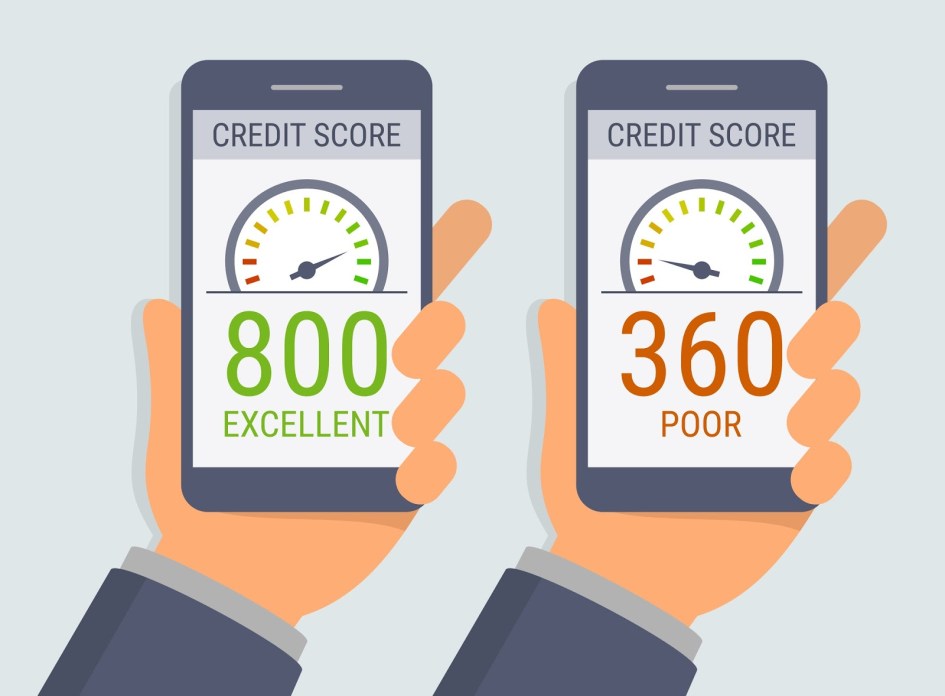
Well, for starters, getting a personal loan with a low credit score is difficult. In fact, some of the lending institutions will directly reject your loan application if it does not meet the minimum credit score requirement. Hence it is quite difficult to avail loan. But you cam also apply for the personal loan for low cibil score as some of the lending institutes offers such loans. What you can do is spend time on improving your credit score to reach the required benchmark?
Steps you can take to improve a low credit score:
- Pay your installments on time – Everytime you delay an installment, you are lowering your credit score. On the other hand, every time you make the monthly installment payment on the scheduled date or before, you are increasing your credit score.
- Show that your income can cover the EMI – Some lenders might be open to a conversation if your credit score does not reflect your ability to repay the debt in full. You may have had a promotion or may have inherited money – proving an additional source of income may help.
- Apply with a co-applicant who has a good score – Your co-applicants credit score will increase your chances of getting the loan approved. Make sure that both income and credit score of the co-applicant meet the criteria of the lender.
- Let the lender know about NA or NH – The use of NA or NH in your credit report tells the lender that there has been no credit activity in your account for 36 months or more. Some lenders might take your income into account, and may approve the loan, albeit at a higher rate of interest. In such cases, you can opt for a credit card and pay the installments on time to get a good score.
Looking for a personal loan with a low CIBIL score is tough task, and if you have the time it is better to improve the score and then submit your application form. Please do ensure that you and your co-applicant are meeting all the personal loan eligibility criteria of the lender.
Additional Read: Smart Habits to Boost your CIBIL Score in 2020
Understanding The Personal Loan Requirements For The Salaried Employees

Salaried employees looking for a personal loan are often confused about the loan, processes involved and uses. This article gives you a quick insight and answers the common queries
What is personal loan for salaried employees?
A loan offered by lending institutions to meet the personal expenditure of salaried employees. You must earn a salary from a private limited firm or government organization. A personal loan for salaried helps the working person to manage their extra expenditure.
What is the maximum amount I am eligible for?
Usually, the maximum loan amount you can get is Rs 25 lakh, but the amount varies across lenders. Additionally, the final amount depends on your eligibility. Use an eligibility calculator to know the EMI you will pay every month.
Is there a requirement of minimum income?
Yes, there is. Typically, if you are employed in Delhi or Mumbai, your salary should be Rs 25,000 per month minimum and for other cities, it should be Rs. 20,000 per month. You will be asked to submit at least three months salary slips.
What are the documents required?
Here is the list of the documents required:
- Application form of the lender that is filled correctly and signed
- Passport size photographs
- You have to submit the following proofs
- Identity (Pan Card, Driving License)
- Income (Salary Statements)
- Age (Pan Card, Driving License, Passport)
- Address (Electricity Bill, Passport)
What are the other terms and conditions?
The exact tenure and interest rate would vary from lender to lender.
- The loan tenure ranges from 12 months to 60 months
- Annual interest rates start from 11.99% per annum
The approval of your instant personal loan will depend upon your profile and credit score.
Reference Read: Personal Loan for Salaried Employee: Everything You Need to Know
Advantages Of Taking A Loan Against Property To Consolidate Your Debt
Before the Corona Virus hit the globe, the GDP of the Indian economy as a whole was projected to grow. Most people were sure of the strength of their careers and their ability to hold jobs, get promotions, and increase their incomes. It was but natural they took out different loans to meet the standards of a modern lifestyle.
Unsurprisingly, many salaried, as well as self-employed professionals, took loans to buy a house, car, bike, holiday plan, dresses, mobiles, and more. Now they are burdened with multiple loans, and for those who have clear titles of a commercial or residential property, taking a loan against property for debt consolidation is a great solution. Here is advantages of it go through it.
Advantages
- You have one EMI – Since all your loans are consolidated in one loan, you have to keep track of only one EMI. It reduces your chances of missing an EMI and thus increasing your burden.
- Interest rate is lower – Unlike a personal loan or education loan, the interest rate on LAP is lower. A lower interest rate means a reduced EMI, which further decreases your debt burden.
- No restriction on use – There is no restriction on the end usage of the loan and you can take it to meet any requirement for your day to day life or business need.
- Renegotiate the terms and conditions – Take the help of a financial expert to renegotiate the terms and conditions of the loan. They might be able to help you get a longer tenure with less stringent clauses.
These are some of the advantages of using your asset to keep afloat during these tough times.
Reference Read: Tips to Get a loan against property without an income proof
Remember These Steps When Applying for a Personal Loan!

You can use a personal loan to meet expenses ranging school fees, wedding dress, a holiday or stocks for your business. But, to get the loan approved, quickly and with minimum hassles, here are some of the steps you need to follow:
- Make sure you have all the documents – Lending institutes require you to submit all the documents listed on their website or application form. Generally, these are KYC documents along with age, income and address proof. You will also need photograph/s.
- It is important to fill the form correctly – There is no compromise on this step. If your application form is incomplete or does not have the correct information, it has a higher chance of rejection. Double-check your form before submitting or uploading online.
- Have a good credit score – Many people wrongly assume that a lower credit score is required for a personal loan. That is not true. Some lending institutions will need you to have a credit score of at least 750. Apart from the credit score, there are other personal loan eligibility criteria that you should meet to get the loan sanctioned.
The above are some of the general steps that you should remember when applying for a personal loan.
Must Read: Tips to Get a Personal Loan Without Income Proofs
All You Need to Know About How to Get a Personal Loans

A personal loan is a type of multi-purpose loan, and there is no requirement of collateral. It can be used to cover medical , wedding or educational expenses. It is an unsecured loan, so the interest rates are generally higher. Nowadays, the lenders provide so many plans that can help you to get a personal loan that will not be a financial burden.
Personal Loan
Here’s a list of things that you need to know about the personal loan:
- Eligibility Criteria For Personal Loan:
The eligibility criteria differ from lender to lender. Some of the standard eligibility criteria are the creditworthiness, age of the borrower, the income of the borrower and capability of reimbursing the personal loan.
- Loan Tenure:
The repayment time is generally shorter and ranges from 1 to 5 years.
- Personal Loan Calculator:
Make use of a personal loan calculator to check eligibility, interest rates, and the value of monthly instalments to be paid.
- Loan Amount:
The loan amount varies, and this is based on the lender and if you are a salaried individual or self-employed. Generally, the lenders limit your loan value such that the monthly instalments do not exceed 50% of your monthly income.
Conclusion:
A personal loan can provide you with financial aid in times of emergency. You can quickly get the loan approved by maintaining a good credit score and meeting all the essential eligibility criteria. Just keep the points mentioned above in mind before applying for a personal loan.
Must Read: What is the Complete Disbursal Process of a Personal Loan?
Improve Your Cibil Score By Applying For A Personal Loan
The best personal loan is the one which can fulfil your needs and is also not a burden on your monthly expenses. A personal loan is repayable every month. The amount of EMI depends on the amount of loan, and the tenure one will be selecting. You can check your eligibility for a personal loan by using a personal loan eligibility calculator.
Personal Loan
Availing the benefits of a personal loan can affect your finance for the tenure you are selecting. So, before applying for a personal loan, one must check with different lenders to get the best personal loan possible. Listed below are some factors one should consider before applying for a personal loan.
1. Rate of interest: The rate of interest is the most critical factor that will determine your monthly EMI’s and how much you will have to pay for a loan. So, it is advised to get the best rate possible.
2. Amount of loan and tenure: A personal loan varies from Rs. 10,000 to Rs. 75 lakhs depending upon your credit score and monthly income. You can select the period according to your ease from 12 months to 84 months.
3. Extra fee: Many lenders charge additional fees like processing fees, prepayment charges and many more. It varies from lenders to lenders depending on the scheme you will be choosing.
Conclusion:
To get the best personal loan, it is advised to compare different lenders to get the best deal possible. Review the above factors before applying for any personal loan.
Additional Read: How To Avail of A Personal Loan With Low CIBIL Score?
What is The Benefits of Getting a Personal Loan

Emergencies strike without warning. These can be anything, such as medical expenses, financing your education or marriage, consolidating your credit card debts, and many more. In such situations, people often look for ways to raise finance to cover their unexpected expenses. One such way is to get a personal loan.
Benefits of Getting a Personal Loan (PL)
A personal loan is the simplest means of borrowing funds from lending institutions. Let’s have a look at some of the benefits of availing a PL.
1. Consolidate multiple debts
Paying off multiple debts at a time can be frustrating. You can easily lose track of your payments and end up paying more interest expense and penalties. However, with personal loans, you can consolidate all your debts into one payment. This way, your minimum payment on the consolidated debt is likely to be less than your total minimum payments on multiple debts.
2. No collateral required
Personal loans are unsecured loans, hence there is no need to provide any asset, such as property, gold, jewellery, or shares, to secure it. This means you don’t have the risk of losing your asset if you fail to make the repayment on time.
3. Fixed interest rates
Most lenders provide fixed interest rates on PL, which means you don’t have to worry about the fluctuation in personal loan rates due to changing market conditions.
4. Flexible end-use
Unlike home loans and car loans, the use of personal loans is not limited to a specific purpose. You can use it to finance marriage, trips, education, medical bills, and many more.
Final thoughts
A personal loan is a stress-free option to raise money. However, it is necessary to compare the several options available in the market and choose the best lender according to your borrowing needs.
How to Choose the Best Personal Loan According to Your Needs?

The best personal loan is the one which can fulfil your needs and is also not a burden on your monthly expenses. A personal loan is repayable every month. The amount of EMI depends on the amount of loan, and the tenure one will be selecting. You can check your eligibility for a personal loan by using a personal loan eligibility calculator.
Personal Loan
Availing the benefits of a personal loan can affect your finance for the tenure you are selecting. So, before applying for a personal loan, one must check with different lenders to get the best personal loan possible. Listed below are some factors one should consider before applying for a personal loan.
1. Rate of interest: The rate of interest is the most critical factor that will determine your monthly EMI’s and how much you will have to pay for a loan. So, it is advised to get the best rate possible.
2. Amount of loan and tenure: A personal loan varies from Rs. 10,000 to Rs. 75 lakhs depending upon your credit score and monthly income. You can select the period according to your ease from 12 months to 84 months.
3. Extra fee: Many lenders charge additional fees like processing fees, prepayment charges and many more. It varies from lenders to lenders depending on the scheme you will be choosing.
Conclusion:
To get the best personal loan, it is advised to compare different lenders to get the best deal possible. Review the above factors before applying for any personal loan.
Additional Read: How to Avail of a Personal Loan with Low CIBIL Score?
Personal Loan Eligibility Calculator:A Glance

Are you thinking of securing an instant personal loan online but don’t know if you are eligible for it? Then, a personal loan eligibility calculator can be a crucial tool that can help you ascertain your loan eligibility. Before applying for a personal loan, you have to ensure that you are qualified to get it without any rejections.
Personal loan eligibility is a pre-defined criterion that you need to satisfy before submitting the loan request. It is usually based on your personal as well as professional profile and differs from lender to lender.
What is a Personal Loan Eligibility Calculator?
A personal loan eligibility calculator is a simple-to-use online tool provided by every lender to estimate the loan amount you can acquire along with the monthly EMIs. The objective of this calculator is to help you avail the best PL according to your financial circumstances.
How is Personal Loan eligibility assessed?
Estimating your eligibility using the PL calculator is extremely easy. You need to enter your details, such as your town, age, monthly expenses, and income, and click on the ‘Apply’ option. After that, the calculator will showcase the exact value of the PL you will be able to secure.
Perks of Personal Loan Eligibility Calculator
- With the calculator’s help, you can get an idea of the amount that you can obtain. This way, you can easily schedule your repayments.
- These calculators are available on every lender’s website, and you can access them from your laptop or smartphone as well.
In a nutshell, you can try the PL eligibility calculator from anywhere, and take up the loan as per your eligibility.
Reference Read: Need to Understanding EMI And Personal Loan Calculators
Here’s How You Can Avail Smaller EMIs With Loan Against Property
In contrast with the past, availing funds has evolved into an easier task. You can classify the finance options mainly into two – secured loans and unsecured loans. The primary difference between both is the presence of collateral, which the banks/NBFC can leverage to provide financial assistance. Secured loans like Loan Against Property carry more significant benefits than others.
Let’s know about LAP in the following section.
- LAP- Better interest rates:
Loan against property (aka) LAP is one of the types of secured loans that have the edge over the other loan types due to their long tenure and lower interest rates. You can use a loan against property calculator to determine the tenure, interest rates, and the monthly EMI of your loan. Here’s how you can have low monthly EMI using a loan against property:
- Tenure:
A longer tenure means lower monthly EMI. Again it all depends on your discretion. If you need a loan with a shorter tenure, your monthly EMI can increase. A smart planner will choose an optimal tenure after devising a repayment phase that would not hurt the finances.
- Credit Score:
Your credit score plays a prominent role in lowering your monthly EMI. Most of the lenders are happy to provide funds to borrowers with higher credit scores. On a scale of 300-900, anyone above 700 stands a better chance of availing low-interest loans.
Conclusion:
If you wish to leverage your assets, you can use a loan against property calculator to avail better interest rates and plan your repayment phase accordingly.
Must Read: IS Availing Loan Against Property More Cost-Effective Than Others?
 Finance News