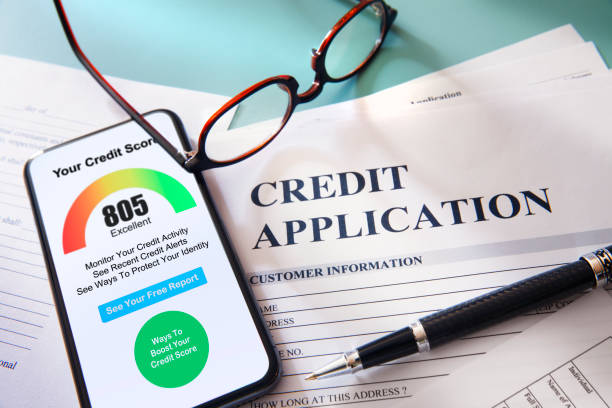
A mobile device that displays an excellent credit score rests on top of an credit application document.
CIBIL Score for a personal loan application is important. Before you decide to apply for a loan, make sure that you know everything about CIBIL score.
What does CIBIL Score Indicate?
CIBIL Score indicates your repayment capacity and the risk involved for the lender while giving you loans or credit card facilities. The more loans you have taken and repaid successfully, better your CIBIL Score becomes; similarly if all your repayments are arrears, it tells lenders that this borrower has already taken several loans and not paid them on time- thus poses a higher risk to lenders as well .So, your CIBIL Score dips.
Here is the meaning of your CIBIL score:
- CIBIL Score 0 – No history (NH) or no credit track record available for the borrower. You can apply for a credit card or take a personal loan to open your file with CIBIL.
- CIBIL Score -1 – Credit History Not Available (NA) where borrowers track record is less than 6 months. CIBIL records a minimum of 6 months of credit activity to make your credit score.
- CIBIL Score between 700-900 – This is considered to be a good CIBIL score. It shows a history of healthy management of credit.
- CIBIL Score below 670 – A score below 670 is considered to be a bad credit score. It is advisable that you improve your credit score before applying for a loan in such a situation.
Note: The above are only indicative and not to be taken as official CIBIL guidelines. Check with your bank regarding their CIBIL eligibility criteria and personal loan eligibility criteria for personal loans before making a decision.
Additional Read: Things you Should Know About CIBIL Score For a Personal Loan
 Finance News